The skin around the eyes behaves like fine silk. It creases early, takes sun damage first, and reveals how you sleep, smile, and squint. Crow’s feet, those radiating lines at the outer corners of the eyes, are often the first wrinkles people notice on themselves in photos. They also respond beautifully to a careful, precise course of Botox treatment, provided the injector respects anatomy, dosage, and the subtlety that eyes demand.
Over a decade of working with Botox cosmetic injections, I have seen these lines soften reliably when technique meets good judgment. Not everyone needs the same approach, and not everyone should chase full stillness. The goal is fresh, not frozen, and that comes down to a balanced plan made for your face, your habits, and your tolerance for movement.
Why crow’s feet form in the first place
Crow’s feet are dynamic lines, born from muscle action. The orbicularis oculi muscle hugs the eye like a horseshoe and cinches shut when you squint or smile. Over time, repetitive contraction etches lines in the overlying skin. Add a few accelerators — UV exposure, dehydration, smoking, genetics, and a lean face with less subcutaneous support — and those fine lines set into the static creases you see even when your face is at rest.
There are two broad categories of lines we look at during a botox consultation: dynamic lines that appear with expression, and static lines that remain visible at rest. Botox injections target the first by relaxing the muscle, which prevents the folding that deepens wrinkles. Static creases may soften with Botox, but if they are etched like paper folds, they often need adjuncts such as laser resurfacing or a tiny thread of hyaluronic acid filler in a microdroplet technique. Good Botox therapy for crow’s feet often lives within a larger aesthetic skin care treatment plan.
What Botox does, and what it does not do
Botox is a neuromodulator, not a plaster. It prevents the release of acetylcholine at the neuromuscular junction, which reduces the muscle’s ability to contract. The effect is dose dependent and local. In practice, that means a targeted botox facial treatment can tame overactive creasing while leaving you able to smile, blink, and emote normally.
What it does not do is resurface skin, replace lost collagen, or lift lax tissue significantly. It can create an apparent lift in the tail of the brow by reducing the downward pull of the lateral orbicularis, a technique often called a subtle botox eyebrow lift treatment. But expect finesse, not a facelift. Clients who arrive asking for botox for younger looking skin usually do best with a combined approach that includes sun protection, retinoids, and arguably an energy device later if texture or laxity remains a concern.
The anatomy that decides success
The outer eye region looks simple from the front, but it is crowded with function. We map three standard injection zones for crow’s feet: superior-lateral, lateral, and inferior-lateral to the canthus. The injector must remain superficial to avoid hitting vessels and to prevent diffusion toward the zygomaticus complex, which helps you smile. If the botox procedure drifts too low or too anterior, smiles can flatten or feel asymmetric. Patients notice even a few millimeters of error here, which is why experienced hands and clear landmarks matter.
I mark with the patient smiling in natural light when possible. I prefer the skin slightly taut to visualize creasing. In thin skin with pronounced volume loss, I reduce dose and number of injection points to avoid over-relaxation that could unmask hollows. For thicker skin and powerful squinters, a higher dose with a broader fan of points can create a more even result. The best botox aesthetic treatment is customized, not copy-pasted.
A realistic dosing conversation
There is no single right number, but patterns help. Most adults need somewhere in the range of 6 to 15 units per side for crow’s feet, spread across two to four injection points, adjusted to muscle strength and facial symmetry. A first-time botox appointment often starts at the conservative end to read how the muscles respond. It is better to add a bit at a follow up treatment than to overshoot and lose expression.
Men, who often carry stronger orbicularis activity, tend to require more. Athletic clients, heavy squinters, and those with high botox New Providence metabolisms sometimes see a faster fade and benefit from slightly higher dosing or more frequent maintenance. The best injector will explain the logic, track what worked last time, and build a plan that matches how your face behaves in real life.
What a session actually feels like
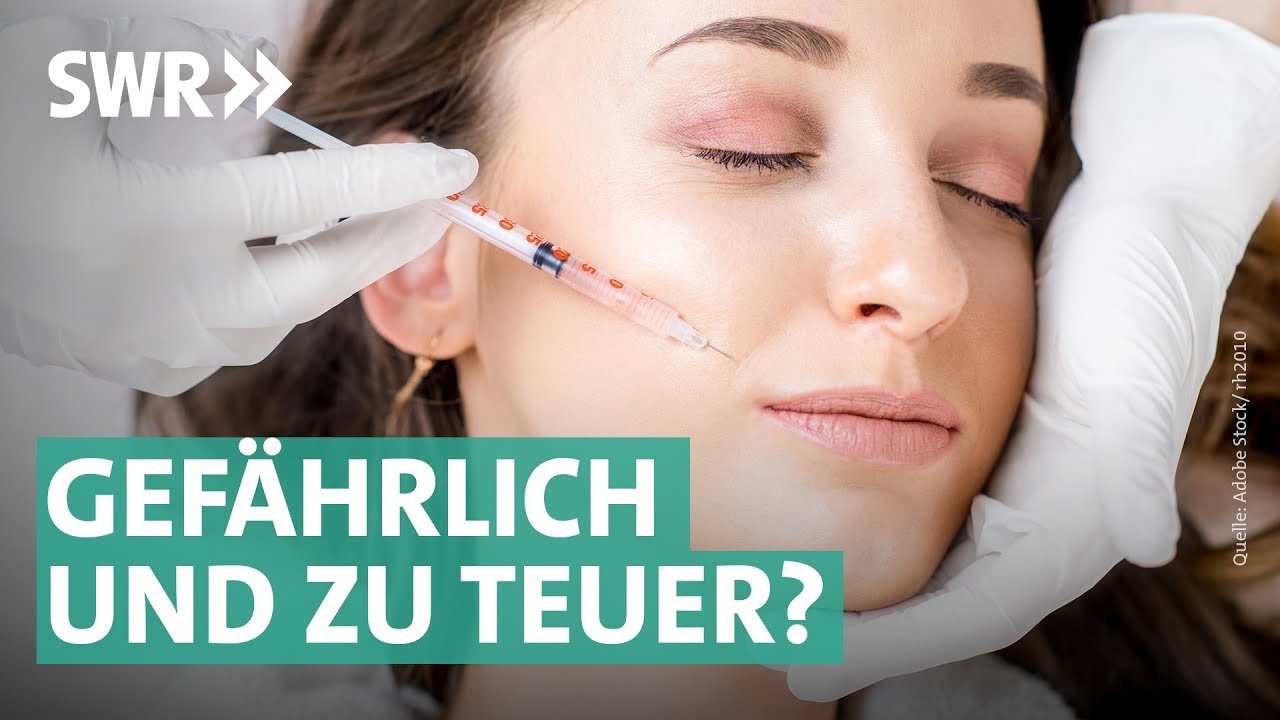
A standard botox session for crow’s feet is quick. For most, it takes about ten minutes of actual injection time once consent, photos, and a brief re-map are done. Ice or a cool pack numbs the skin. The needle is tiny. Clients describe a sharp pinch followed by a fleeting sting. Tearing can happen from reflex, not from pain, and settles quickly.
I ask patients to smile as I place points, because expression animates the target. A few light blebs form and flatten within minutes. Makeup can go back on after an hour if applied gently. I advise avoiding rubbing the area, heavy exercise, steam rooms, or lying flat for about four hours after botox cosmetic injections. These steps are more about good procedural hygiene than fear. The goal is to reduce the chance of diffusion outside the intended zone.
The arc of results, from day one to day ninety
Botox is a slow bloom. Most people begin to notice softening at day three or four, with full effect around day seven to ten. The satisfaction moment is often a candid photo two weeks later, where the eyes look brighter and the lines are far less prominent even during a big laugh. Well-done botox for crow’s feet lets the skin reflect light again, which reads as rested.
Duration averages three to four months for the outer eye. Some hold closer to five, some closer to eight weeks, particularly if their metabolism is fast or their dose is very conservative. My patients who adopt a regular botox maintenance treatment schedule often find that the lines return more slowly, possibly because the muscle rests and the skin stops creasing as aggressively. The face never “gets addicted” to neuromodulators. If you stop, strength returns, and the lines resume their prior pattern.
Subtlety, expression, and the smile test
The fear of looking “done” runs deepest around the eyes. You need your smile to feel like yours. I use a “smile test” approach two weeks after the initial session. We capture a fresh set of animated photos and compare. If the lateral eye looks glassy or flat, I reduce the dose or change the vector of placement next time. If lines still punch through strongly, we add a small amount where the most stubborn rays persist.
Anecdotally, my favorite outcomes are not the fully airbrushed ones. The best botox results treatment for crow’s feet usually shows faint whisper lines that look natural during a big laugh, yet remain undetectable at rest. Think of it as a volume knob, not a mute button.
Avoiding the “shelf” and other edge cases
The most common pitfalls come from wandering product or from mismatched goals. If the injector places points too inferior or too anterior, the zygomaticus muscles can be affected, which dulls smile lift and makes the cheek look heavy. Too strong a dose high and lateral can also create eyebrow oddities, where the tail of the brow rises more than the head, reading as surprised.
Another edge case: patients with volume loss under the lateral orbital rim. Relaxing the crow’s feet in a face with hollowing can sometimes reveal more shadow. In those clients, I discuss pairing light neuromodulation with microfiller or a skin-booster approach and emphasize sun protection and collagen support. The right choice can keep the eye lively, not flat.
Rosacea, dermatitis, or active acne around the temples can complicate injection safety. We wait until skin is calm to reduce the risk of infection. For those with a history of eyelid surgery or a naturally low lid position, the map shifts. Botox face injections are incredibly adaptable, but the plan has to respect structural differences.
Safety, side effects, and what is normal
Botox is one of the most studied medications in aesthetic medicine and has a strong safety profile when used by an experienced botox doctor treatment provider. The common, benign effects around the crow’s feet area include tiny injection-site bumps that fade in minutes, pinpoint redness, and possibly a small bruise. Bruising happens in about 5 to 10 percent of treatments depending on patient factors and technique. Arnica can help, though time works best.
Less common issues include headache, mild eye dryness, or a one-sided heavy smile if product diffuses into a smile elevator. These effects usually resolve as the medication wears off. True allergic reactions are rare. If you experience unusual pain, spreading swelling, or significant asymmetry, contact your clinic for a botox follow up treatment check. Good clinics leave room on their schedule for quick assessments.
Neuromodulators should be avoided during pregnancy and breastfeeding. Those with certain neuromuscular disorders should have a medical consultation before treatment. If you are on blood thinners, bruising risk rises, and the injector may recommend timing adjustments.
What a great consultation covers
A thoughtful botox consultation sets the tone. It should include facial analysis at rest and in motion, a medical history, a discussion of desired expression range, and realistic estimates of dose and duration. Photographs help track what worked. I often ask patients to bring a few selfies they like and dislike. It tells me how they want to look in real life, not just under clinic lights.
Quality control also extends to product handling. Reconstitution, storage, and timing matter. Freshly prepared botox cosmetic typically performs predictably. A botox professional treatment provider should be comfortable explaining their approach, from dilution to needle gauge to how they plan to minimize bruising.
When crow’s feet are not the whole story
Eyes communicate with the rest of the upper face. If the glabella, the area between the brows, is strongly active, it can telegraph stress even when the crow’s feet are quiet. Strategic botox glabella treatment can complement the outer eye and prevent a discordant look. Similarly, forehead dynamics can affect eyebrow position. A very heavy brow combined with very smooth crow’s feet can feel off. This is why many patients pair botox for forehead or botox for frown lines with lateral eye work, even if the doses are lighter.
On the flip side, some clients only want the crow’s feet treated to keep range elsewhere. That can work well, but the injector should assess for balance. A minimal brow-tail lift using tiny lateral points can open the eye without compromising your signature expressions.
The place of Botox in a broader skin strategy
Botox wrinkle reduction treats a movement problem. Texture and pigment respond to different tools. If static lines bother you, or if the skin at the lateral eye shows crepe-like thinning, I often propose a staged plan: neuromodulation first, then consider energy-based resurfacing or a series of low-downtime peels to stimulate collagen and refine texture. For those who already have a strong skincare routine, adding a nightly retinoid and daily SPF 30 to 50 supports longer-lasting results. Without sun protection, you are swimming against the current. UV accelerates collagen breakdown, which deepens crow’s feet no matter how well the botox injections worked.
Patients who grind their teeth or have strong masseter muscles sometimes squint more, consciously or not, as part of facial tension. If jaw tension is part of your story, botox masseter treatment can relax clenching and sometimes reduces compensatory squinting. That is not a universal pattern, but it is a clinical observation worth considering for select patients.
Cost, value, and how to think about “near me”
Searches for a botox near me treatment provider will show a wide price range. Pricing may be per unit or per area. Per unit pricing tends to track dose more transparently, while per area pricing may include a set of touch-ups. For the crow’s feet region, the total usually reflects 12 to 30 units across both sides for most adults, with adjustments for muscle strength. Beware of prices that seem too low to cover medical-grade product and safe clinic overhead. Technique, sterility, and aftercare access are part of what you pay for.
Value also includes time. Botox quick treatment sessions fit into a lunch break, but long-term satisfaction lives in the follow-up. A practice that welcomes you back for a check at the two-week mark, without nickel-and-diming minor tweaks, often delivers better long-term outcomes.
First-timers versus veterans
If it is your first time, plan for a conservative start. Expect about seven to ten days before full effect, and give yourself a two-week window before any major event or photos. Let the injector know if you have an upcoming race, sauna habit, or long-haul flight the same day; they may adjust the plan. Hydrate well. Arrive without heavy eye makeup so mapping is easier.
Veterans of botox aesthetic injections often know their dose and pattern, but faces change. Medication schedules, weight shifts, and sun exposure alter muscle behavior. I revisit mapping at least annually and tweak vector points as needed. Those incremental changes protect you from a flat, cookie-cutter look.
How combination therapies enhance results without overdoing it
A little goes a long way around the eyes. If residual texture remains after an optimal botox wrinkle treatment, I may recommend a gentle fractional laser series or a low-energy RF microneedling session, timed midway through your Botox cycle. Microneedling or PRF under-eye treatments can improve fine crepe and quality without interfering with muscle balance. A tiny curtain of hyaluronic acid placed in microdroplets along a deep static ray can ease an etched groove while preserving movement. The order matters: quiet the muscle first, then resurface or microfill what remains.
Skincare remains the quiet workhorse. A non-irritating retinoid serum, peptide support, and daily sunscreen work in the background to prolong the effect and reduce the need for higher doses. Eye creams with caffeine or light diffusers can help mornings look less puffy and more awake, making botox facial care injections appear even more effective day to day.
A quick, practical glidepath for the best outcome
- Choose an experienced botox service provider who examines you at rest and in motion, explains dose, maps points, and welcomes follow-up. Time your botox session at least two weeks before important events, and skip heavy exercise or rubbing the area for several hours afterward. Start conservatively if new to botox for crow’s feet, then calibrate at the follow-up visit based on photos and your smile test. Pair neuromodulation with sunscreen and a retinoid for longer-lasting skin smoothing, adding energy devices or microfiller only if static lines persist. Keep notes on what worked: dose, number of points, and any side effects. Bring those to your next botox consultation for a customized plan.
Real-world examples that show the range
Case one: A 34-year-old marathoner, strong squinter, no prior treatments. We started with 8 units per side, split over three lateral points. At two weeks, dynamic lines reduced by roughly 60 percent, but two deep rays punched through with a big laugh. We added 2 units per side focused on those rays. Duration was about three months. On the next cycle, we used 10 units per side up front, which held well for nearly four months without flattening her smile.
Case two: A 46-year-old with sun damage and etched static lines. We placed 12 units per side in a gentle fan, cautious inferiorly due to mild hollowing. At follow-up, dynamic lines were quiet, but static creases remained. We added a light fractional laser plan at six weeks and microdroplet filler along a single persistent ray, avoiding the malar region. Photos at three months showed a smoother lateral eye with preserved animation and a softer skin texture.
Case three: A 51-year-old man, strong orbicularis and heavy brows. We paired 14 units per side for crow’s feet with a subtle lateral brow lift using a couple of units placed superior-lateral to relax downward pull. He wanted a natural, not glossy finish. At two weeks, the outer eye brightened, and the brow tails rested two millimeters higher, opening the eyes slightly without a “surprised” look. He returned at 12 weeks for maintenance.
These examples illustrate the rule: dose, mapping, and adjuncts shape the outcome far more than a one-size-fits-all template.
When to say no, or not yet
Not everyone should have botox facial injections around the eyes right away. If you have an active skin infection, uncontrolled autoimmune flare, severe dry eye disease, or you are pregnant or breastfeeding, the timing is wrong. If your aesthetic goal is incompatible with neuromodulation — for example, if you want zero change in smile dynamics but full erasure of rays — that is a mismatch worth discussing. Sometimes we solve 80 percent of the problem with sun discipline, skin therapy, and a lighter touch of Botox, then reassess.
Another reason to pause is unrealistic timelines. If you have a major event in three days and have never had botox, wait. Results peak at one to two weeks. You want that window.
The quiet details that make a treatment feel premium
Premium is not about a fancy waiting room. It is about outcomes you can trust. You will feel it in how the injector listens to your language around expression. It shows in how they mark landmarks, look at you from different angles seated and semi-reclined, and ask you to smile naturally rather than posing for a grimace. It flows into aftercare, where small questions get quick, thoughtful answers. A botox certified treatment provider keeps detailed records of product lot number, dilution, dose, and mapping. That data builds your playbook. When you move or travel, it also helps another clinician replicate what you like.
A final mark of quality is restraint. More is not more around the eyes. The best clinics deliver botox natural looking results that keep you recognizable, just well rested.
Looking ahead: maintenance without monotony
A good maintenance rhythm prevents the on-off rollercoaster look. Most patients book botox follow up treatment sessions at 12 to 16 weeks. If you prefer a softer effect, you might wait a bit longer and accept some return of lines between sessions. If you need a consistently polished on-camera presence, you may prefer tighter intervals. Either way, expect small adjustments over time to account for changes in skin, lifestyle, and goals.
I encourage clients to track Home page how they feel about their expression during different phases. Some keep a simple note in their phone with dates, doses, and a quick comment like “Week 3: perfect balance” or “Week 10: lines back in bright sun.” This makes your next botox consultation more productive and helps us make data-backed changes.
The bottom line on crow’s feet success
Crow’s feet respond exceptionally well to thoughtful botox wrinkle smoothing. When mapped with respect for anatomy and expression, neuromodulation around the outer eye softens hard-earned lines and lets the eyes reflect light again. It is a fast, minimally invasive treatment with a proven safety profile in skilled hands. The most satisfying results hinge on three elements: a clear goal for how you want to look when you smile, a personalized dose and placement strategy, and a willingness to calibrate early sessions before locking your long-term plan.
If you are on the fence, schedule a botox consultation with a provider who prioritizes conservative, customized care. Bring a few photos that show the version of you that feels right. Ask about dose ranges, mapping approach, and follow-up philosophy. With the right partnership, bright-eyed beauty is not a promise on a postcard. It is a consistent, natural finish, one that you will notice every morning in the mirror when your reflection looks a little more rested and fully like you.